




A Guide to the Most Popular Accessible Concert Venues
The most popular accessible concert venues open doors to unforgettable moments for everyone. Find out where you should plan your next concert!

Traveling should be exciting, but for passengers in wheelchairs, it often comes with challenges that can make the process feel anything but smooth. Missteps in accessibility, misinformed staff, or unclear policies can quickly turn a simple trip into a stressful ordeal. That’s why knowing how to advocate for yourself as a passenger in a wheelchair is more than essential.
With the right strategies, you can take control of your transportation experience. This guide packs practical advice to help you understand your rights, provide feedback, and travel confidently with fewer hassles.
Advocating for yourself sets the tone for how you and others in the disability community deserve to be treated. Every time you stand up for accessibility, you pave the way for more inclusion and better practices universally.
When you speak up, you’re advocating for yourself and for others who might not feel empowered or equipped to do so. Taking action drives change and builds awareness around the importance of equal access to transportation.
You need to know the laws and accessibility policies of the transit providers you’ll be using. Whether you’re traveling by plane, train, bus, or a private car service, the service you choose must comply with regulations like the Americans with Disabilities Act (ADA) or similar legislation in other countries.
Familiarize yourself with these policies ahead of time by visiting the company’s website or contacting their accessibility department directly. Some carriers even have detailed accessibility guides outlining services such as wheelchair lifts, seating arrangements, and service animal accommodations. Understanding these policies will give you a strong foundation for advocating during your trip.
Booking in advance is more than a practical step; it’s a strategic way to ensure you get the accessible accommodations you require. When reserving your travel, specify your mobility needs clearly, including any requirements for additional space for your wheelchair, assistance with boarding, or a specific seating arrangement.
Document your requests in writing whenever possible. Many platforms allow you to detail your needs during the booking process, and if not, a follow-up email or written communication with customer service can solidify things.
Speaking of written requests, verbal agreements can sometimes get lost in the shuffle, especially in busy travel environments. To protect yourself, always ask for written confirmation regarding your accessibility requests. This could include anything from evidence of booking wheelchair-accessible seating to proof of assistance for boarding.
Having emails or printed documents on hand provides a concrete reference if any disputes arise. It also reassures you that the service provider knows your needs.
 Arrive Early
Travel days can be hectic for anyone, but when you’re navigating accessibility logistics, timing is everything. Arriving early helps you familiarize yourself with the facilities, speak to transportation staff, and verify that the arrangements you requested are in place.
For example, if you’re flying, getting to the airport at least two hours before departure gives you ample time to check in, go through security, and communicate any last-minute concerns with airline staff. Being early also gives you a buffer to handle unexpected issues without the pressure of a looming departure deadline.
When moving through transit systems, having the right documents on hand can make a significant difference. Keep copies of your medical records, proof of mobility needs, and written confirmations from your service provider with you. A printed list of medications or special equipment (like your power chair’s model specifications) may also be beneficial if questions arise.
Yes, this paperwork is useful for advocacy, but it’s also necessary to ensure that transportation and medical staff can assist you more effectively if needed.
Standing up for yourself doesn’t mean being aggressive. A calm yet firm tone can be incredibly powerful when addressing accessibility issues. If something doesn’t meet your expectations, explain why and what action you need clearly and respectfully.
For example, ask to speak with a manager or accessibility coordinator if they haven’t honored seating arrangements or delayed assistance. Most companies will be open to resolving the issue promptly when approached politely and in a collaborative manner.
Social media platforms can be a powerful tool for advocacy in real time. If you experience a problem, many companies monitor their accounts closely and respond to tweets or posts about customer service issues. Tag the company, explain your concern, and add relevant hashtags like #AccessibilityMatters or #WheelchairTravel.
While social media advocacy can sometimes create quicker responses, it also serves as a platform to raise awareness about systemic accessibility issues. Just ensure your posts are constructive and focus on finding a solution.
 Know Your Legal Rights
Knowing your legal rights as a passenger in a wheelchair is crucial. For example, the ADA in the United States mandates that public transportation systems provide accessible services and prohibits discrimination based on disability. Similarly, the Air Carrier Access Act (ACAA) guarantees accessible air travel.
If a transportation provider fails to meet these standards, file a formal complaint with the relevant authorities. Reporting issues raises awareness within the company and contributes to broader systemic improvements. Familiarizing yourself with disability rights organizations and hotline services can also provide additional support if legal recourse is necessary.
Feedback is a valuable tool that helps organizations grow and improve. After your trip, take a moment to complete any surveys or provide written feedback about your experience.
Highlight both positive moments and areas for improvement so that companies recognize what they’re doing well while understanding where they need to make adjustments. Constructive feedback helps you and the entire community of people who rely on accessible travel.
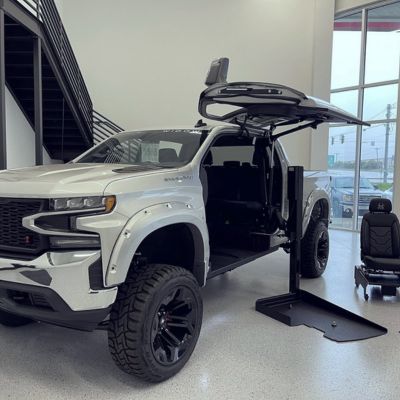
Traveling on your own terms can offer unparalleled freedom and peace of mind. For some individuals, investing in one of ATC Mobility’s handicap-accessible vehicles could be the right solution. Our trucks and SUVS not only meet the needs of wheelchair users, making independent travel seamless and stress-free, but they also offer countless options that allow your vehicle to match your purpose. With our innovative lift technology, you can easily enter and exit our vehicles. Aftermarket items like all-terrain tires, lift kits, tow hitches, performance packages, and light bars are just a few of options that can further customize your vehicle and make it uniquely yours. So whether it’s for work commutes, off-road adventures, or family road trips, personal vehicles equipped with the right technology can provide you with the autonomy and flexibility you deserve.
Advocating for yourself as a passenger in a wheelchair is all about preparation, communication, and confidence. Remember that every time you stand up for equal access, you contribute to a more inclusive future for all travelers with disabilities.


